Pandemic Preparedness: Response Plan and Exercise Pegasus
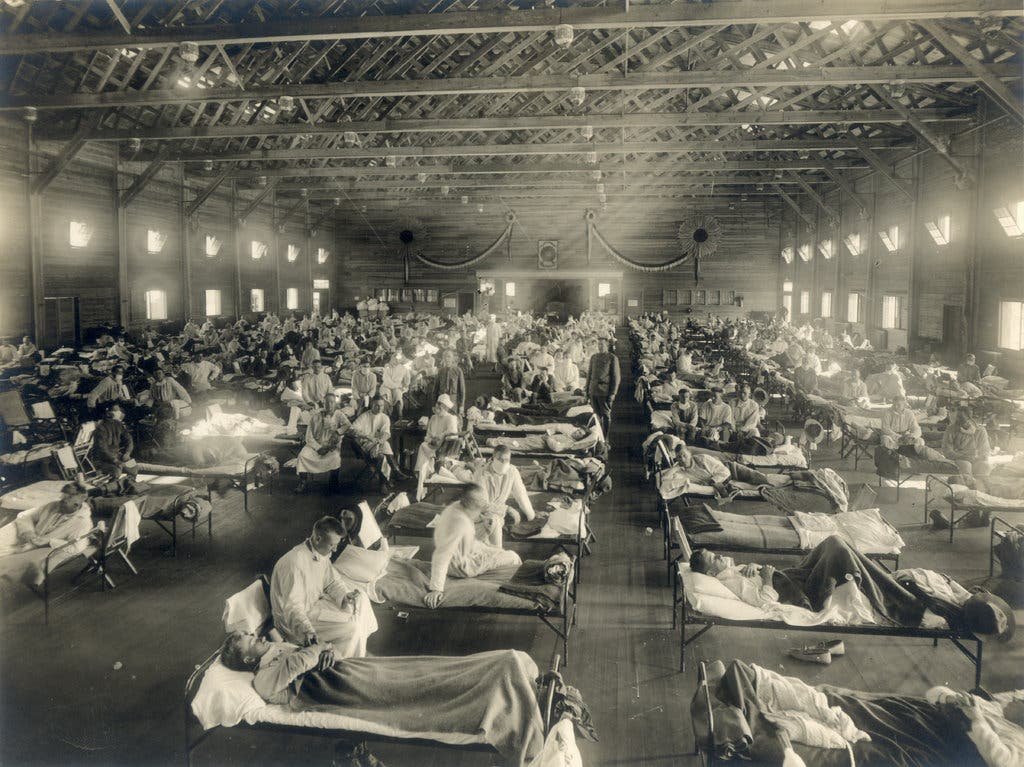
Understanding Pandemic Preparedness
Pandemic preparedness is a multifaceted endeavor that encompasses planning, response, and recovery in the face of infectious disease outbreaks that can lead to widespread illness and death. The cornerstone of effective pandemic preparedness is a robust response plan, which outlines strategies for minimizing the health impacts of a pandemic, ensuring the continuity of essential services, and facilitating rapid mobilization of resources. Both global and local implications of pandemics highlight the urgent need for coordinated efforts among healthcare systems, governments, and communities.
Historically, pandemics have posed significant challenges to societies, as seen with the H1N1 influenza, SARS, and more recently, COVID-19. Each of these events taught invaluable lessons about the importance of preparedness and resilience. The 1918 influenza pandemic serves as a stark reminder of the potential consequences of inadequate response; it led to millions of deaths worldwide, emphasizing the necessity of preventive actions. As a result, authorities and organizations have increasingly invested in developing strategies that not only address immediate responses but also focus on long-term preparedness.
Key components of pandemic preparedness include risk assessment, which helps identify vulnerable populations and the likelihood of disease spread, and advanced surveillance systems that monitor incidents of infectious diseases. Additionally, stockpiling medical supplies, including personal protective equipment and vaccines, is crucial for an effective response. Further, training healthcare personnel ensures that they are adequately equipped to handle the central challenges that arise during a pandemic. By understanding and implementing these essential elements, we can enhance our overall capacity to cope with future pandemics and ultimately protect public health.
The Components of a Response Plan
An effective pandemic response plan is a multifaceted framework designed to address the complexities of managing public health crises. Central to this approach is the establishment of a command structure that outlines clear leadership roles and decision-making processes. This framework facilitates efficient coordination among stakeholders, including government agencies, healthcare providers, and community organizations, ensuring that everyone is aligned in their efforts to combat the pandemic.
Resource allocation is another critical element of a pandemic response plan. This entails identifying and distributing necessary materials, such as medical supplies, vaccines, and personal protective equipment, to areas in greatest need. A well-defined strategy for managing resources can significantly impact a community’s ability to respond effectively to a pandemic. Furthermore, ongoing assessments are essential to adapt to evolving circumstances and address emerging needs promptly.
Communication strategies serve as the backbone of a successful response plan. Transparent and timely information dissemination to the public is paramount, as it fosters trust and encourages adherence to health measures. Utilizing multiple communication channels, including social media, traditional media, and community forums, ensures widespread outreach. This approach not only informs citizens about protective measures but also reinforces the importance of adhering to public health guidelines.
Public health interventions, such as contact tracing, testing, and vaccination campaigns, are essential components of the response plan. These interventions must be tailored to local contexts and integrated seamlessly to maximize their effectiveness. The role of technology and data analytics cannot be understated; real-time data monitoring allows for informed decision-making and enhances the ability to pivot strategies as the situation evolves. In this context, adaptability becomes crucial, as a rigid approach may fail to meet the changing demands of a pandemic environment.
Exercise Pegasus: A Case Study
Exercise Pegasus serves as a pivotal case study in assessing pandemic preparedness within public health systems. Conducted as a simulated response exercise, its primary objective was to rigorously test the operational readiness of various governmental and healthcare entities in the face of a potential pandemic outbreak. This comprehensive exercise emphasized not only individual agency responses but also the crucial importance of inter-agency collaboration.
The design of Exercise Pegasus incorporated a range of scenarios that mirrored potential challenges arising in a real pandemic. Participants engaged in various simulations that covered essential aspects such as resource allocation, patient triage, and communication strategies among stakeholders. By establishing diverse pandemic scenarios, the exercise aimed to provoke thoughtful responses and swift decision-making from participants. This realistic approach allowed for a thorough examination of existing protocols and strategies implemented in public health responses.
The implementation phase of Exercise Pegasus involved engagement from multiple sectors, including healthcare providers, emergency management agencies, and policymakers. Each group was tasked with identifying their strengths and weaknesses during their responses within the structured scenarios. Observations from these exercises revealed critical areas of improvement, such as enhancing communication workflows and establishing clearer chains of command during emergencies. Additionally, feedback collected indicated that further training in specific response protocols could fortify overall preparedness.
Overall, the lessons extracted from Exercise Pegasus are invaluable for shaping future pandemic preparedness initiatives. The insights gained highlight the necessity of regular training exercises to simulate various scenarios that public health systems may encounter. By employing Exercise Pegasus as a model, similar exercises can be developed, ensuring that public health entities remain agile and responsive to real-world crises. In doing so, the broader objective of safeguarding public health during future pandemics can be effectively achieved.
Moving Forward: Enhancing Pandemic Preparedness
As we reflect on the lessons learned from response plans and exercises such as Exercise Pegasus, it becomes increasingly clear that enhancing pandemic preparedness requires a multifaceted approach. Continuous evaluation and updating of response plans are essential to adapt to the ever-evolving nature of pandemics. Regular assessments should be conducted to identify gaps in existing plans and inform necessary modifications. Such evaluations not only enhance readiness but also instill confidence in public health systems.
Moreover, investing in healthcare infrastructure is paramount for effective pandemic preparedness. This includes strengthening hospitals, clinics, and laboratories to ensure they can handle surges in patients during health emergencies. A robust healthcare system is also crucial for the rapid deployment of vaccines and therapeutics, which are vital tools in combating infectious diseases. Allocating resources towards training healthcare professionals on emerging health threats is equally important, as it prepares the workforce to respond efficiently.
Fostering public engagement in health initiatives is another critical component. By educating communities about health risks and preventive measures, we empower individuals to take charge of their own health, which can significantly reduce the spread of diseases. Public health campaigns should utilize diverse platforms to reach various demographics, ensuring that information is accessible and actionable.
Additionally, international collaboration and information sharing play pivotal roles in effective pandemic response. Countries must work together, sharing data, research findings, and best practices to build a unified approach to health emergencies. Global partnerships can enhance the collective ability to monitor health trends and respond swiftly to outbreaks.
In conclusion, enhancing pandemic preparedness is a shared responsibility that requires continuous efforts from all stakeholders. By prioritizing these strategies and implementing the lessons learned from past exercises, we can better prepare for future health challenges, ultimately leading to improved health outcomes for all.
Share this content: